

The allure of risk and reward
At the heart of casino gaming is the delicate balance of risk and reward. Players are often drawn to the thrill of potentially winning big, which can trigger the release of dopamine—a neurotransmitter associated with pleasure and satisfaction. The anticipation of a win, whether it’s hitting the jackpot on a slot machine or achieving a winning hand in poker, fuels excitement and keeps players engaged. This psychological phenomenon plays a significant role in why individuals choose specific games over others, as they weigh the perceived risk against the potential reward. For those interested in various options, online casino canada ontario offers insights into how players make choices.
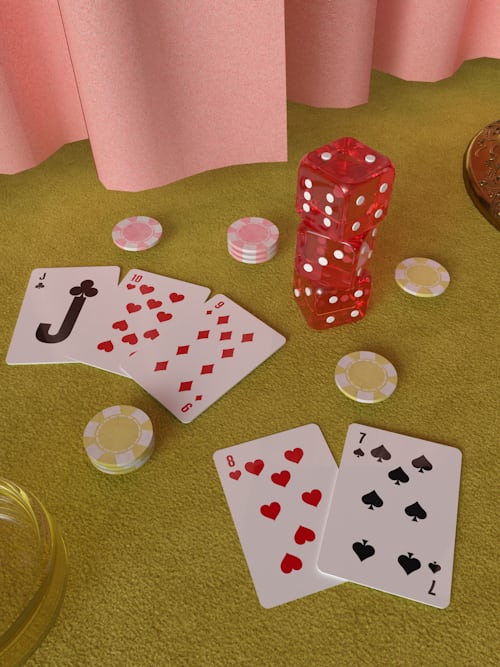
Addiction to risk is further compounded by the nature of gambling environments. The bright lights, sounds of machines, and the atmosphere of excitement create an immersive experience that heightens emotional responses. This sensory stimulation can lead players to make impulsive choices, often favoring games that promise faster rewards, such as slots, which provide immediate gratification compared to games requiring more skill and strategy. The appeal of these environments highlights the influence of context on player decisions, drawing individuals into the fold of gaming.
Game design and player psychology
Casino game designers meticulously craft experiences that tap into psychological triggers. Elements such as colorful graphics, engaging sound effects, and rewarding animations are strategically implemented to maintain player interest. The design of these games not only influences player choices but also affects the duration of play; the more engaging the game, the longer players tend to stay. Features like near misses, where a player almost wins, create a sense of hope and encourage continued play, as players believe they are on the verge of a win. The role of design in player psychology is profound, illustrating how preferences can be shaped by visual and auditory cues.
This intricate design reflects an understanding of cognitive biases. For instance, the illusion of control leads players to believe they can influence the outcome of games of chance, thus favoring games that reinforce this misconception. Players often gravitate toward games that offer a semblance of skill, such as blackjack or poker, where their perceived ability to control outcomes can enhance their enjoyment and investment in the game. Recognizing these trends can provide deeper insights into why certain game styles resonate more with players.
The social aspect of gambling
Gambling is not merely an individual activity; it is often a social experience that influences game choice. Many players are drawn to games that allow interaction with others, such as poker or table games, which foster a sense of community and competition. The social dynamics at play can significantly impact decisions, as players may choose games based on peer influence or the desire to socialize. This communal aspect can create a more enjoyable experience and lead to longer gaming sessions. Understanding these dynamics reveals the importance of social context in shaping preferences.
Moreover, the camaraderie experienced at gaming tables fosters a unique environment where players feel empowered and engaged. Sharing stories, celebrating wins, or collectively lamenting losses creates bonds that enhance the overall experience. This social interaction can lead to individuals returning to specific games, not just for the thrill of winning but for the connections formed during the gaming experience. Such relationships highlight the multifaceted nature of player engagement and commitment in gambling.
The impact of marketing on game choices
Marketing strategies employed by casinos and game developers play a significant role in shaping player preferences. Promotions, bonuses, and advertising campaigns are designed to attract players to specific games, leveraging psychological tactics to enhance appeal. For instance, limited-time offers or the introduction of new games can create a sense of urgency, encouraging players to try something different—or return to a favorite game while taking advantage of special incentives. The effectiveness of these strategies can greatly influence consumer behavior in the gambling sector.
Additionally, the use of branding can greatly affect game choice. Familiarity with a particular game or brand can provide a sense of comfort and trust, leading players to prefer known entities over unfamiliar options. This relationship between branding and player choice highlights the importance of perception in the gambling landscape, as players navigate their options based on both personal experiences and the influence of marketing narratives. Ultimately, these elements form a complex web that guides players’ choices.
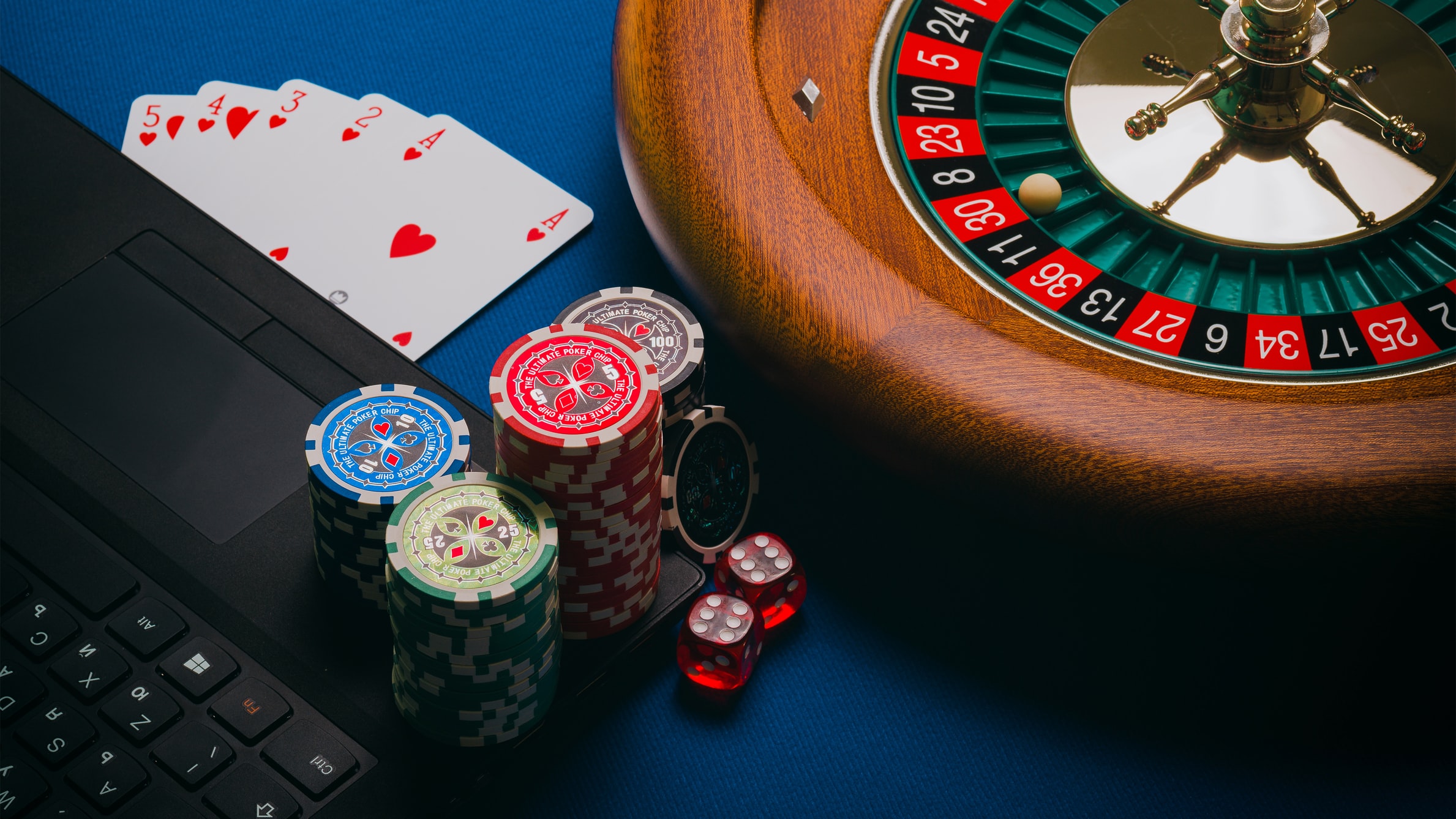
Exploring the vibrant realm of music and gambling
While the focus here has been on casino games, it’s important to recognize how various forms of entertainment intersect. Just as casinos create engaging environments for gaming, the music scene in cities plays a vital role in shaping cultural experiences. For instance, live music events can be a backdrop to social gambling experiences, enhancing the overall atmosphere and making it more enjoyable for participants. The synergy between these two realms illustrates the multifaceted nature of entertainment and its psychological implications.
Understanding the psychology behind casino game choices can provide valuable insights into consumer behavior, illuminating why certain games captivate players while others fade into obscurity. By drawing parallels to the music scene, one can appreciate the rich tapestry of experiences that shape how individuals engage with different forms of entertainment, influencing their preferences and choices in meaningful ways.